

Mental Health Services on the NHS
The NHS has responded to the rising number of mental health problems by offering services. This includes:
The Long Term Plan has made an unrepeatable commitment to increase the investment in mental health services more quickly than the NHS budget overall. This includes special suicide prevention services.
Helping yourself
One out of four of us will have a mental health problem at some moment in our lives. The good news is there are many avenues to seek help, and many of us will be able to recover over time. It is important to know what help is available and who can offer it.
You can seek assistance from a variety of sources like your GP (primary care medical doctor), your local health centre, or a community mental health team. These teams are comprised of occupational and nurse psychotherapists and speech therapists. They collaborate with people who use their services. Depending on the type of help you need you could receive individual or group therapy.
Your GP will typically ask you to fill in an application form so that they can refer you to a community mental health team. They will also talk with you about what kind of assistance you require. You will then be seen by someone from a mental health team that may include a psychiatrist, psychologist or social worker. In some instances the assessment and treatment will be carried out by a clinical nurse specialist. You can call the NHS 111 helpline for assistance if you're in an emergency. If you're already supported by mental health services it's best to try and contact your usual team first, unless it's out of normal hours, on a weekend or on a bank holiday.
The Five Year Forward View for Mental Health detailed plans to establish multidisciplinary mental health teams in the community that are connected to primary care networks. These will help to improve the quality of care that is given to those experiencing an illness of mental health and offer support within their communities and homes instead of in hospitals.
The plan also aimed to provide crisis services to more people by reducing wait times and opening more beds. It also proposed to introduce mental health transport vehicles and make sure that every ambulance has an official who is a mental health liaison in their control rooms to ensure that those suffering from an illness of mental health are supported in emergency situations.
Treatment options
The NHS offers a wide array of treatment options for people suffering from mental health problems. GPs are usually able to treat minor illnesses, however more serious conditions will require a specialist team. These teams are spread across both community and primary mental health services and also mental health hospitals. There are also safe places where you can get help when you're in a crisis.
Talking treatments for anxiety and depression are one of the main treatments. Formerly known as IAPT These programs have seen the number of people who seek them increase every year since their launch in 2008. The NHS Long Term Plan has set the goal of expanding these services to 1.9 million people by 2023/2024.
The use of psychiatric medication is also a crucial element of treatment. They can help alleviate symptoms by altering the way the brain's chemicals function. They can also be used to reduce the effects of other treatments. Your doctor will suggest the best medication for you.
There are many different types of talk therapies, such as individual therapy and group therapy. Some of them are offered in person, whereas others can be delivered remotely. Some patients prefer face-to-face treatment, but it is the choice of the patient. Mind is one of the charities that offer support groups and courses. Their website has a lot of information that is reliable, however you must be aware that there is plenty of misleading or false information available on the internet regarding mental health issues.
While the NHS is advancing its mental health services however, it is still struggling to meet the demands. In mental.health doctors near me , there are 54 mental trusts. The majority of them receive funding for their services from the clinical commissioning group. They usually are located in a specific region, but they can be contracted to provide national services.
The lack of resources is a major issue. There are concerns about the quality of care and the shortage of psychiatrists and nurses. The NHS is working to improve the services by introducing new methods of work and delivering more training. It also introduces more efficient and safer ways to help those who are in crisis. These include mobile crisis teams and safe space.
Helping you
Since the NHS launched 70 years ago, there have been many positive developments for people suffering from mental health issues. The treatment options have gotten better and social barriers have been taken down. But there is much more to be done.
People who are experiencing mental health issues should get the help they need quickly and easily. The NHS is striving to improve the quality of services so that people in need can get assistance. We will ensure that no acute hospital is without a mental health liaison service in A&E departments and wards for inpatients by 2020/21, and that 70 percent of these services will be in line with the 'core 24' standard by 2023/24, working towards achieving 100% coverage afterward.
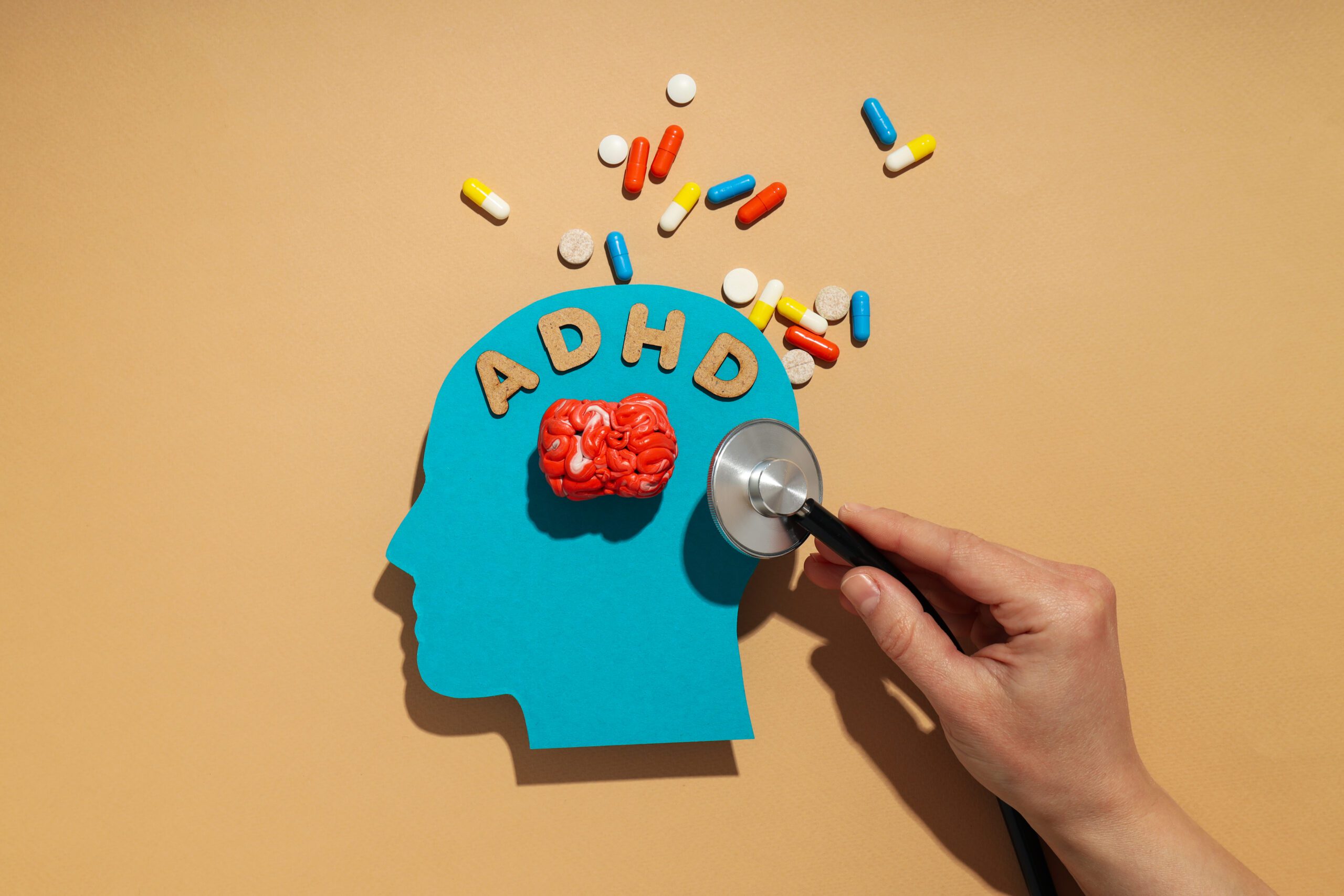
We will also expand services for those who require them in the community, which includes therapy for talking, which will give hundreds of thousands more people with common or severe mental health conditions the assistance they require. We will continue to develop the national Improving Access to Psychological Therapies (IAPT) programme so that more people can be visited by therapists who are qualified, faster.
The NHS provides free, confidential helplines for anyone suffering from a mental health issue. Samaritans Mind and Rethink are some of the helplines that are available. These helplines are operated by trained volunteers. They provide the opportunity to talk with someone in a secure environment, or offer guidance and information on how to manage your mental health concerns.
In addition to that, there are a lot of local organizations that provide assistance and support for those with mental health issues. They can provide self-help guides, coping strategies and activities to try. Many of these organisations provide support groups in person to those who prefer it.
The University's Open Door Team offers a drop-in counseling service for students who are experiencing stress or depression. There's also the Nightline student counselling service which provides confidential listening and support from knowledgeable volunteers, or information about other services. Charities such as Mind and Rethink can provide many sources of information and support both on the internet and in local groups. They also offer many courses and activities, from mindfulness to art groups that could be beneficial for people who suffer from mental health issues.
Making a referral
With mental health services under pressure, doctors are forced to make difficult decisions about what specialist services they should refer patients to. The doctor will take into consideration the medical history of the patient and refer them to services they believe will be able assist. They may send a referral to an NHS trust, or an independent provider.
A mental health professional will examine the referral to determine if the referral is appropriate or not. If how to get a mental health diagnosis doesn't like the referral, they'll call the GP and explain why. mental health doctors near me can also ask the GP for more details or to change the referral.
The referral to a local Community Mental Health Team (CMHT) can be made through the NHS e-Referral Service (e-RS). The system allows GPs and other healthcare professionals to refer patients to either a preliminary mental health clinical assessment or directly to an appointment with an outpatient. However there are some exceptions. CMHTs offer both options and the system isn't able to be used for every type of mental health referral.
A GP may also refer a patient to a community mental health specialist service (CMT). They are typically operated by a large local health organization or a hospital. CMTs are an excellent option for those who need to consult a psychologist or psychiatrist but don't require inpatient treatment. They also provide an early intervention service in which psychiatrists work with a psychotherapist to assist someone in overcoming any crisis or improve the quality of their lives.
One of the biggest challenges faced by CMTs CMT is how to ensure that all suitable referrals are made within the proper time frame. Many referrals are deemed urgent even though they may not be. This can lead to delays and over-working for those who are not in crisis.
To combat this problem, a few CMHTs have tried to establish more uniform standards for what constitutes a referral urgent. This has been accomplished through the use of an established referral form that requires the referrer to decide if the situation is urgent. The form includes a box that the referrer is able to tick if the request is urgent.